
Quando se trata de selecionar equipamentos para processamento de chapas metálicas, a pergunta que mais ouvimos da nossa equipe de comércio exterior da ZYCO é: "Devo escolher uma prensa dobradeira servo-hidráulica ou uma prensa dobradeira totalmente elétrica?" No ano passado, um cliente que fabricava invólucros para dispositivos médicos enfrentou dificuldades por meio mês, desejando a alta precisão de uma prensa dobradeira totalmente elétrica, mas preocupado com sua incapacidade de lidar com aço inoxidável de 3 mm de espessura. Outra fábrica que produz peças para eletrodomésticos quase atrasou a entrega de um grande pedido por ter escolhido a máquina errada. Na realidade, não existe um modelo absolutamente "bom ou ruim" entre esses dois; a chave é se eles são adequados ao seu cenário de produção. Hoje, vamos ajudá-lo a analisar suas ideias sob três perspectivas: requisitos de processamento, custos de operação e desempenho real, combinados com casos reais.
1. Compreenda primeiro as principais diferenças: Não se deixe confundir por "termos técnicos".
Muitos compradores acham os termos "servo eletro-hidráulico" e "puramente elétrico" confusos quando os ouvem pela primeira vez. As principais diferenças residem na fonte de energia e no método de controle. Simplificando:
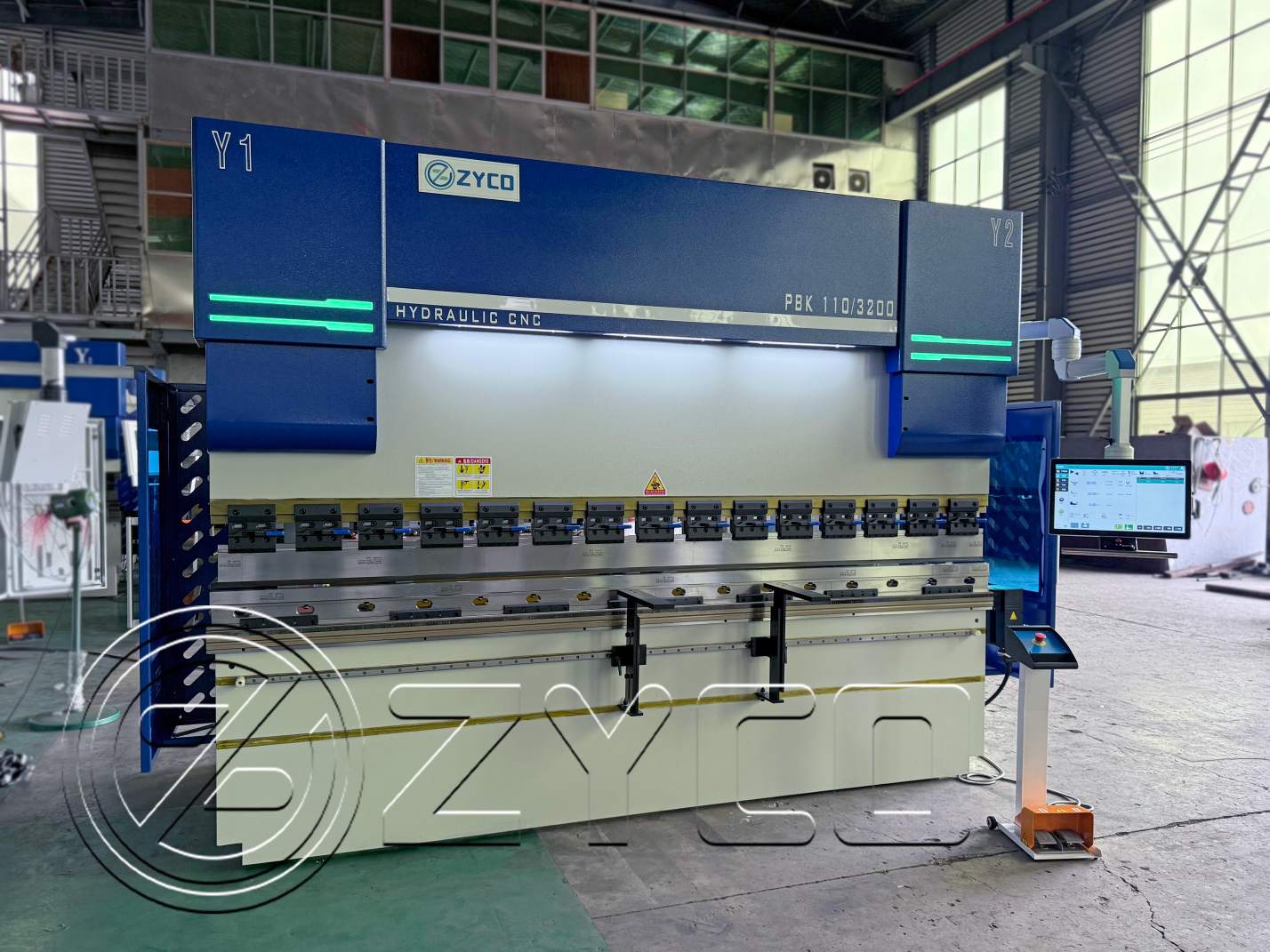
As prensas dobradeiras servo-hidráulicas são acionadas por um sistema "motor + hidráulico". Por exemplo, o motor aciona a bomba hidráulica para elevar e abaixar o carro e ajustar a pressão. Assim como uma empilhadeira hidráulica em uma oficina, ela é robusta e capaz de transportar cargas pesadas, sendo ideal para o manuseio de materiais espessos.
Dobradeira elétrica pura: É acionada diretamente por um "servomotor" durante todo o processo. Não possui componentes como óleo hidráulico e tubulações de óleo. É semelhante a uma parafusadeira elétrica de precisão. Possui movimentos rápidos e alta precisão, sendo adequada para trabalhos de delicadeza.
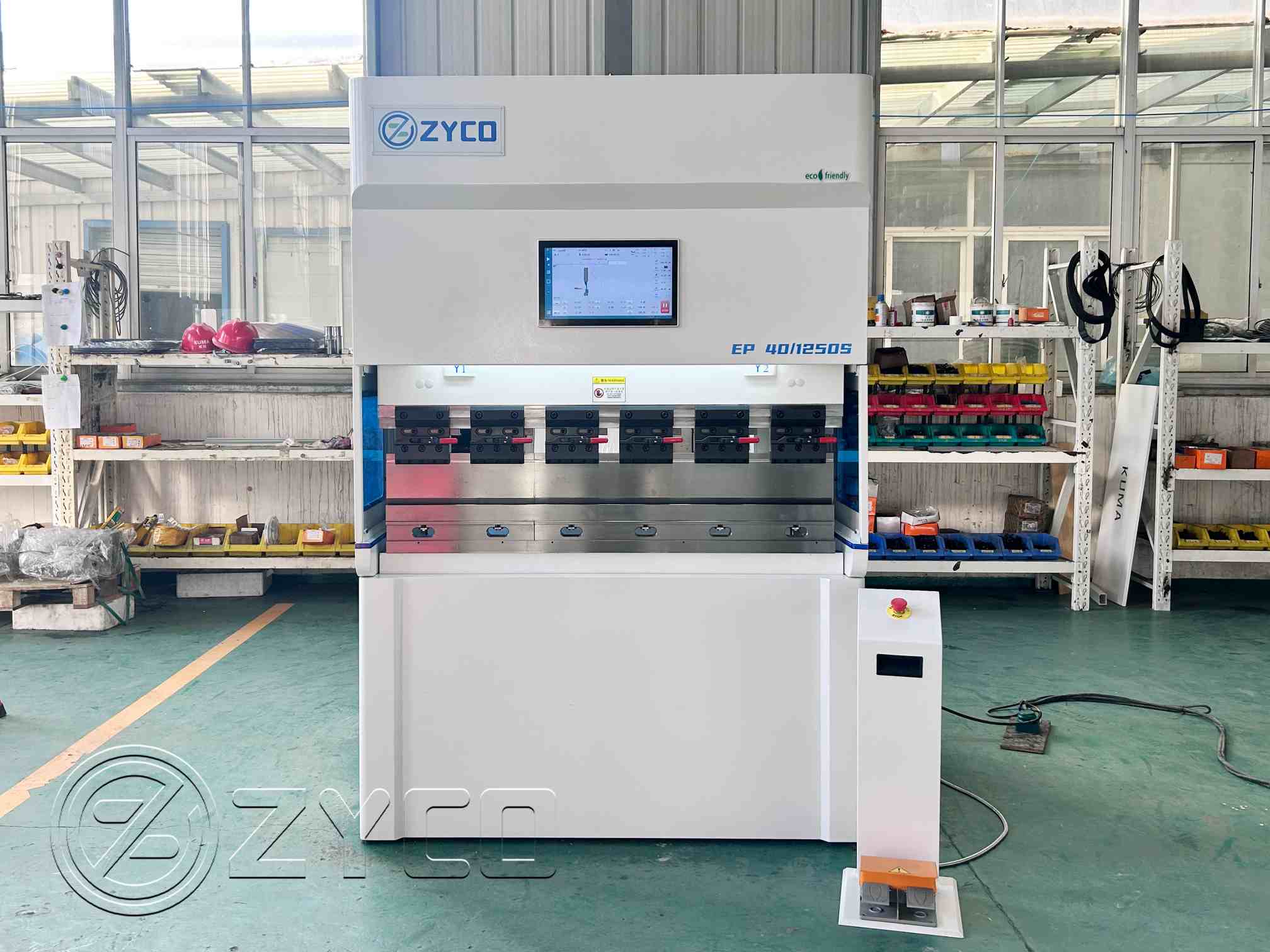
Entramos em contato com uma fábrica de chapas metálicas na Indonésia que anteriormente utilizava prensas hidráulicas tradicionais para processar chapas de aço laminado a frio de 1,2 mm. Após a mudança para um modelo totalmente elétrico, os funcionários relataram que "não é preciso esperar o óleo hidráulico atingir o ponto ideal para ajustar o molde, e é possível começar a trabalhar assim que a máquina é ligada". Essa é a diferença mais intuitiva entre os dois modelos.
2. Com base em três necessidades essenciais: qual delas sua fábrica deve escolher?
Ao escolher um modelo, você não pode se basear apenas nos parâmetros; é preciso considerar o trabalho real que você realiza diariamente. Compilamos milhares de casos de clientes e descobrimos que 90% das fábricas conseguem definir rapidamente sua direção com base em três requisitos: "espessura do material processado, requisitos de precisão e tamanho do lote".
1) Processamento de Material e Espessura: “A escolha ideal para materiais espessos” VS “A especialista em velocidade para materiais finos”
Este é o critério mais crítico para avaliação. A "potência" da dobradeira servo-hidráulica depende principalmente do sistema hidráulico, o que é mais vantajoso no processamento de chapas grossas e materiais duros; a dobradeira puramente elétrica é mais flexível no processamento de materiais finos.
Quando escolher um servoacionador eletro-hidráulico: Se sua fábrica processa frequentemente aço carbono ou aço inoxidável com espessura superior a 3 mm, ou precisa dobrar peças com mais de 2,5 metros de comprimento, como estruturas metálicas e carcaças de equipamentos de grande porte, um modelo eletro-hidráulico é mais adequado. Um cliente brasileiro que fabrica peças para contêineres utilizava anteriormente uma máquina puramente elétrica para processar chapas de aço Q235 com 6 mm de espessura. Eles constataram que a pressão de deslizamento era insuficiente, resultando em um desvio angular superior a 1°. Após a troca para um servoacionador eletro-hidráulico, conseguiram processar 500 peças sem problemas.
Quando escolher uma prensa totalmente elétrica: Se você processa principalmente materiais finos (0,5-2 mm), como carcaças de componentes eletrônicos e painéis de dispositivos médicos, as vantagens de uma prensa dobradeira totalmente elétrica são óbvias. Uma fábrica de dispositivos médicos no Canadá utiliza uma prensa dobradeira totalmente elétrica para processar chapas de aço inoxidável 304 com 1 mm de espessura, alcançando uma precisão de repetibilidade angular de ±0,1° e reduzindo a taxa de refugo em 8% em comparação com a prensa dobradeira eletro-hidráulica anterior.
Aqui vai um pequeno lembrete: se a sua gama de processamento for "às vezes fina e às vezes grossa", por exemplo, se ocasionalmente precisar fabricar peças com 5 mm de espessura e na maioria das vezes com 1 mm, recomenda-se dar prioridade ao servomotor eletro-hidráulico - ele é compatível com materiais espessos e pode garantir a precisão ajustando os parâmetros ao lidar com materiais finos, enquanto os modelos puramente elétricos são facilmente "incapazes" de lidar com materiais espessos.
2) Requisitos de precisão: “Estável” vs. “Precisão”
Os dois modelos apresentam níveis de precisão diferentes, portanto, escolha aquele que melhor atenda aos padrões do seu produto:
Máquina de dobra servo-hidráulica: possui precisão "estável" e é adequada para cenários que exigem "consistência" durante o processamento em lote. Por exemplo, na fabricação de um suporte para unidade externa de ar condicionado, uma diferença de 0,5° no ângulo de dobra entre as peças não afetará o desempenho. Uma máquina eletro-hidráulica pode processar continuamente 1.000 peças com um erro de ±0,3°. Além disso, o sistema hidráulico fornece feedback de pressão estável, evitando a fadiga durante longos períodos de processamento.
Dobradeira elétrica pura: alta precisão, ideal para produtos com requisitos rigorosos de detalhes. Por exemplo, as carcaças de baterias para veículos de novas energias apresentam inúmeras dobras pequenas e estreitas. O servomotor das dobradeiras elétricas puras controla com precisão o curso do deslizador, permitindo uma dobra mínima de 5 mm. Essa precisão é difícil de alcançar com dobradeiras eletro-hidráulicas devido à histerese do fluido hidráulico.
Um de nossos clientes, fabricante de invólucros para instrumentos de precisão, utilizava anteriormente uma prensa dobradeira eletro-hidráulica, que frequentemente exigia retrabalho devido à precisão inadequada em dobras pequenas. A mudança para uma prensa totalmente elétrica reduziu a taxa de retrabalho de 12% para 2%, economizando tempo e custos.
3) Custo de Uso: “Baixo Investimento Inicial” vs. “Economia de Custos a Longo Prazo”
Ao escolher um modelo, você também precisa considerar o "cálculo a longo prazo", incluindo o consumo de energia, a manutenção e os custos subsequentes de acessórios:
Tipo de custo | Prensa dobradeira servo-hidráulica eletro-hidráulica | Prensa dobradeira elétrica pura |
Consumo de energia | A máquina requer uma bomba hidráulica para funcionar, consumindo aproximadamente 15-20 kWh de eletricidade por hora. | O consumo de energia ocorre apenas durante o funcionamento, consumindo aproximadamente 8 a 12 kWh de eletricidade por hora. |
Manutenção | A substituição anual do óleo hidráulico e a limpeza do filtro são necessárias, com um custo aproximado de US$ 300. | Sem um sistema hidráulico, apenas a lubrificação regular dos trilhos-guia é necessária, com um custo aproximado de US$ 70. |
Acessórios de pós-produção | Bombas hidráulicas e tubulações de óleo podem envelhecer, resultando em altos custos com acessórios. | Os servomotores têm uma longa vida útil e requerem uma substituição mínima de acessórios. |
Vejamos um exemplo real: uma usina de energia no Vietnã possui duas máquinas de dobra servo-hidráulicas, e somente o óleo hidráulico e os elementos filtrantes custam mais de US$ 600 por ano. Posteriormente, um modelo totalmente elétrico foi adicionado, e a graxa da guia passou a ser trocada apenas uma vez a cada três anos, economizando muito em custos de manutenção. No entanto, deve-se observar que o custo inicial de aquisição de um modelo totalmente elétrico é de 15% a 20% maior do que o de um servo-hidráulico. Se o tempo de operação diária da sua fábrica for curto (por exemplo, menos de quatro horas), a diferença no consumo de energia não é significativa, e o modelo servo-hidráulico é mais econômico. Se a máquina operar por mais de oito horas por dia, um modelo totalmente elétrico lhe economizará dinheiro a longo prazo.
3. Processo de seleção em três etapas da ZYCO: ajudando você a evitar a "escolha errada"."Campo minado de gelo"
Muitos clientes têm receio de fazer escolhas erradas. Resumimos um método de seleção simples em três etapas para ajudá-lo a evitar erros:
Faça uma "lista de processamento": Liste as principais peças que você processou nos últimos três meses e marque o "material, espessura, comprimento máximo de dobra e requisitos de precisão" de cada peça, como "chapa de aço laminada a frio de 1,5 mm, comprimento de dobra de 1,2 metros, erro angular ≤0,5°", para que você possa visualizar intuitivamente suas necessidades principais.
Calcule a "conta de capacidade": Se o volume diário de processamento exceder 500 peças e a maioria delas for de materiais finos, o sistema puramente elétrico é preferível (alta velocidade e economia de energia); se o volume diário de processamento for inferior a 200 peças e a maioria delas for de materiais espessos, o sistema servo-hidráulico é selecionado (baixo investimento inicial e alta capacidade de carga).
Verificação da máquina de teste: Se você não tiver certeza, traga uma amostra para testar a máquina. Nossa fábrica ZYCO está localizada em Nanjing. Se você vier visitar nossa fábrica, ajudaremos os clientes a usar dois modelos para processar amostras, comparar a precisão angular e a velocidade de processamento e, em seguida, fazer recomendações com base no orçamento. No ano passado, 80% dos nossos clientes encontraram o modelo certo por meio de máquinas de teste.
Resumo
A essência da escolha entre uma dobradeira servo-hidráulica e uma dobradeira puramente elétrica reside em "adaptar o equipamento à sua produção, em vez de fazer com que a produção se adapte ao equipamento". Por exemplo, para uma fábrica que produz peças para máquinas pesadas, escolher um modelo puramente elétrico será uma tarefa ingrata; para uma fábrica que produz componentes eletrônicos de precisão, escolher um modelo eletro-hidráulico resultará em desperdício de precisão e aumento do retrabalho.
Se você tiver parâmetros específicos de processamento da peça ou quiser saber a comparação real da velocidade de processamento dos dois modelos, deixe uma mensagem na área de comentários. Nossa equipe técnica fornecerá um "Formulário de Avaliação de Seleção" gratuito, baseado na sua situação, para ajudá-lo a calcular o custo e encontrar o modelo certo. Afinal, comprar equipamentos é um investimento a longo prazo, e escolher o modelo certo garante que cada centavo seja gasto com eficiência.

Deixe seu endereço de e -mail e requisitos, nossa equipe de vendas profissional desenvolverá a solução mais adequada para você.


Direitos autorais
© 2026 Nanjing Zyco CNC Machinery Co., Ltd. Todos os direitos reservados
.
 SUPORTADO POR REDE
 português
 English
 français
 Deutsch
 italiano
 русский
 español
 한국의
한국의 Türkçe
 العربية