
No mercado brasileiro de construção e reformas, a demanda por batentes metálicos para portas está crescendo rapidamente. Seja para projetos residenciais ou comerciais, os clientes têm exigências cada vez maiores em relação à aparência, precisão e estabilidade dos batentes. Para aumentar a competitividade dos produtos, um número crescente de fabricantes brasileiros está reavaliando os métodos tradicionais de curvatura e introduzindo máquinas de ranhurar como equipamentos essenciais em suas linhas de produção.
Este artigo compartilha as experiências e os benefícios de um de nossos clientes de São Paulo, Brasil, desde o primeiro contato com máquinas de ranhurar até a adoção definitiva do equipamento.
Este cliente brasileiro produz principalmente caixilhos de portas em aço inoxidável e chapa galvanizada, com uma produção anual estável. No entanto, também enfrenta desafios comuns no setor de caixilhos de portas:
A estrutura da moldura da porta é composta principalmente por linhas retas e ângulos retos, e as linhas visuais devem ser limpas e nítidas.
Os métodos tradicionais de curvatura muitas vezes resultam em ângulos de raio excessivamente grandes, fazendo com que as bordas da moldura da porta pareçam "retas" e "arredondadas", especialmente quando combinadas com decorações de parede, resultando em uma aparência menos refinada.
As molduras das portas são normalmente feitas de material fino, o que frequentemente leva aos seguintes problemas ao serem dobradas:
· Recuos
·rugas localizadas
·Leve torção
Esses defeitos serão amplificados durante a montagem dos produtos acabados, levando a retrabalho.
As molduras das portas são produzidas em lotes, e qualquer desvio no ângulo de curvatura pode causar o travamento de todo o lote ou apresentar folgas de montagem irregulares, afetando a entrega do projeto.
Esses problemas os fizeram perceber que a curvatura tradicional não conseguia mais atender às crescentes demandas do mercado.
Em uma exposição de materiais de construção sul-americana, eles viram pela primeira vez amostras de batentes de portas produzidas com ranhuras.
As arestas vivas, as curvas precisas e as dimensões consistentes chamaram imediatamente a atenção deles.
Logo depois, eles entraram em contato conosco e vieram à nossa fábrica com amostras e desenhos para discussões mais aprofundadas.
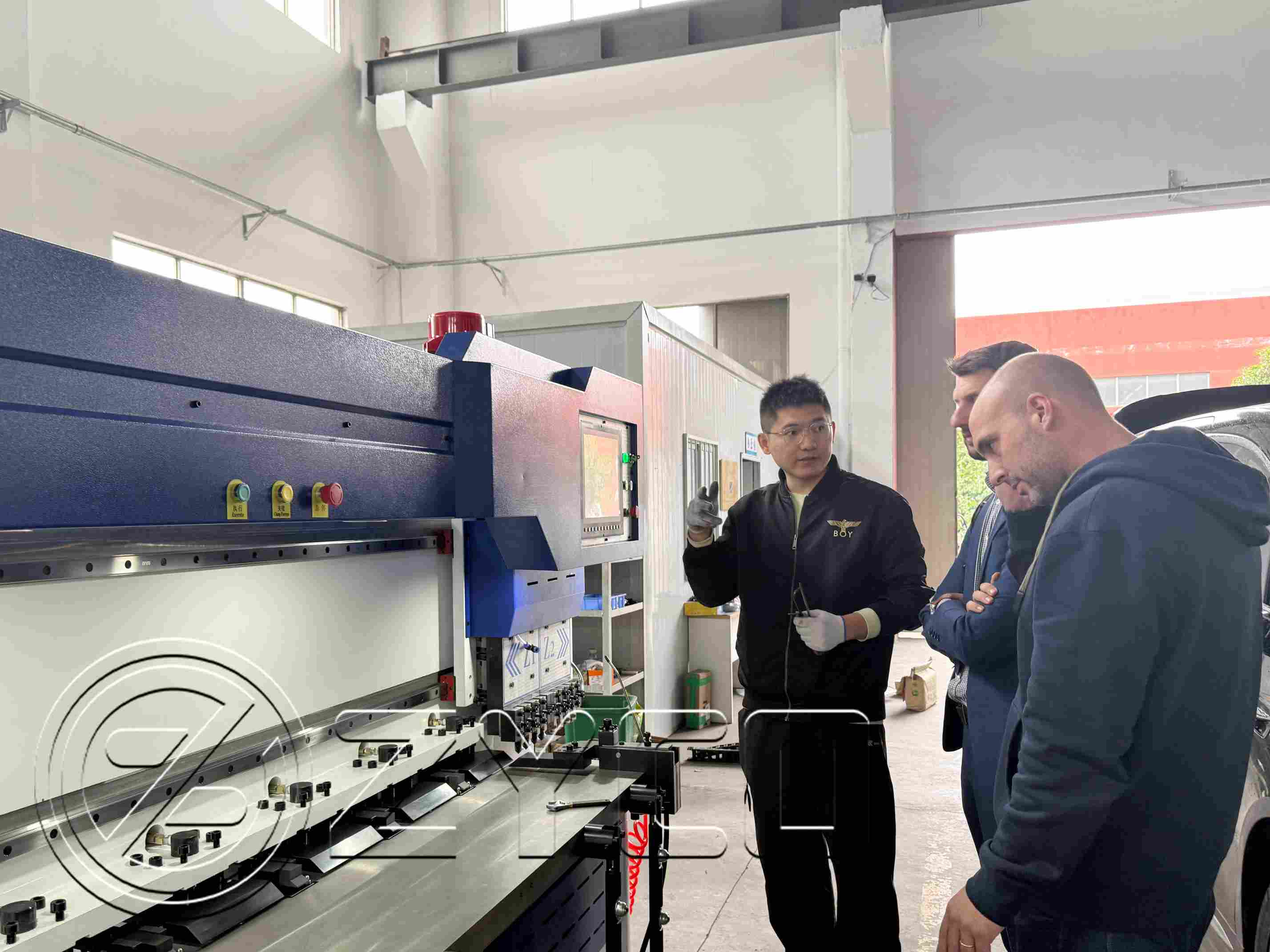
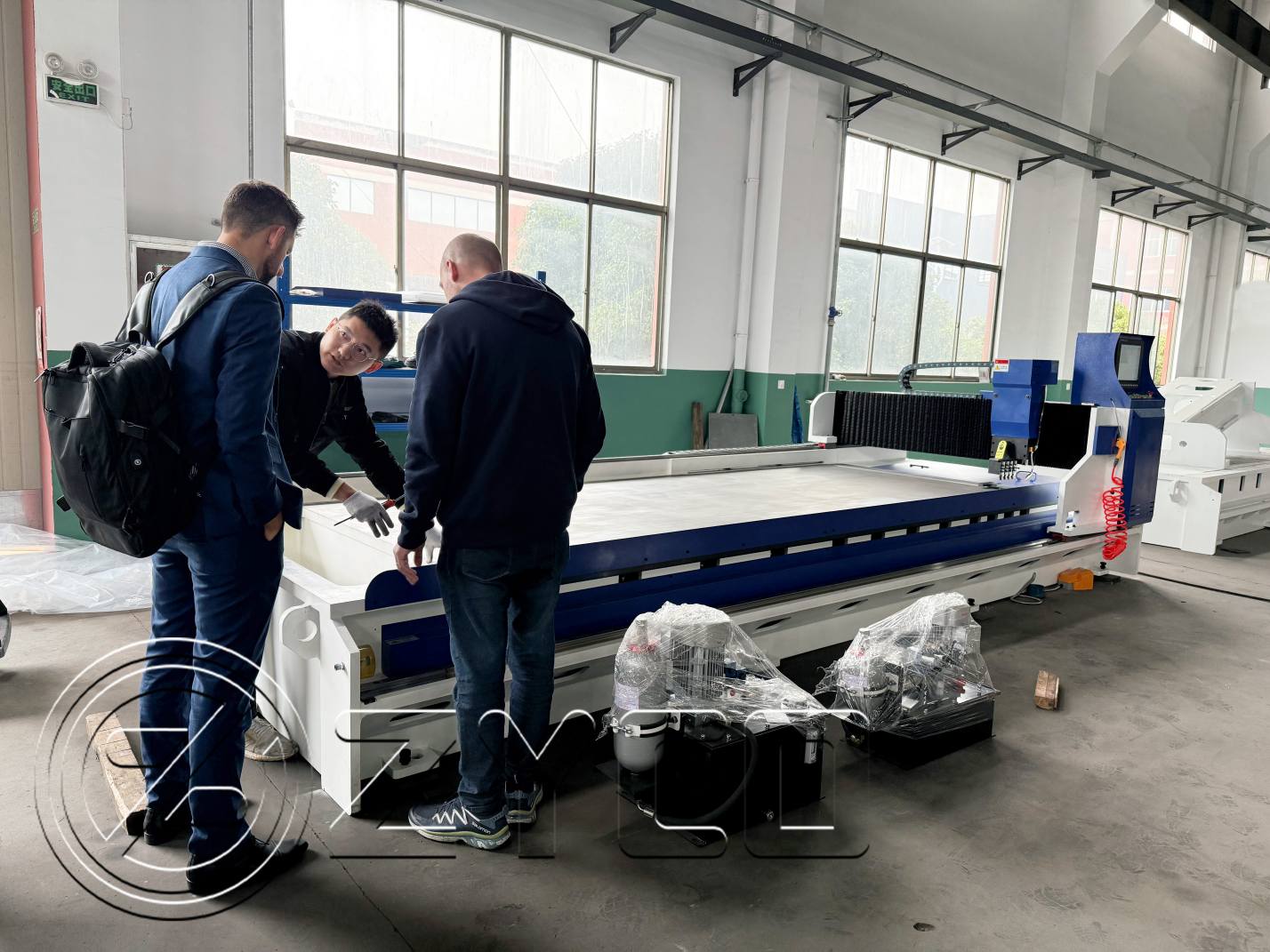
Suas principais preocupações incluem:
• O ângulo da curva após o ranhuramento está suficientemente reto?
• As peças longas se deslocariam durante o processo de ranhuramento?
• É estável em operação a longo prazo?
• É adequado para o grande volume de pedidos diários que eles possuem?
Após analisarmos a estrutura do produto e as especificações dos materiais, recomendamos uma máquina de ranhurar vertical, ideal para perfis longos e geometrias típicas de batentes de portas.
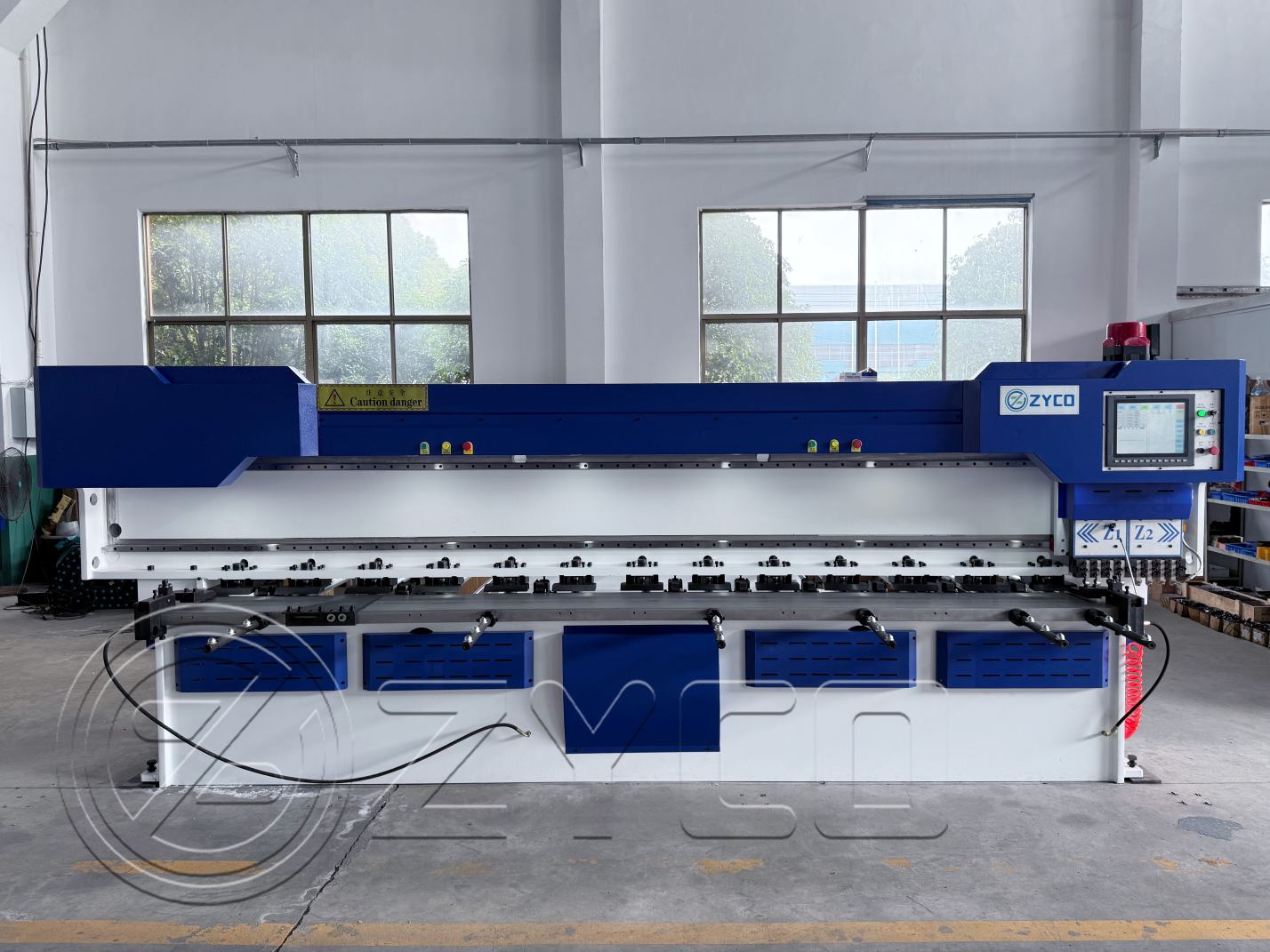
Após receberem a máquina e passarem por um teste de produção de 7 dias, deram um feedback muito claro: a máquina de ranhurar elevou a qualidade de suas molduras de portas a um novo patamar.
Após o ranhuramento, o raio de curvatura torna-se quase invisível.
As bordas se tornam:
· Direto
· Afiado
· Suave
Depois de instaladas, as molduras das portas ficam com um aspecto muito mais sofisticado e elegante.
Essa foi a melhoria que eles mais valorizaram.
Como o sulco reduz a resistência à flexão, seus materiais finos de 0,8 a 1,2 mm agora se dobram:
• Sem marcas
• Sem rugas
• Sem torcer
Mesmo operadores iniciantes podem alcançar resultados estáveis e de alta qualidade.
Uma profundidade de ranhura estável significa ângulos de curvatura estáveis.
Como resultado:
• Os problemas de montagem diminuíram drasticamente
• A taxa de retrabalho diminuiu de 12% para menos de 3%
A combinação de ranhuras e curvaturas permitiu que eles otimizassem seu fluxo de trabalho.
Para perfis complexos de caixilhos de portas, isso reduziu ainda mais o número de etapas e economizou tempo de produção.
Após a introdução da máquina de ranhurar, a equipe de gestão realizou diversas avaliações de custos.
Os resultados superaram as expectativas:
·Economia de material: Dobras mais precisas significam menos folga necessária.
·Menor taxa de retrabalho: menos mão de obra desperdiçada e menos tempo perdido.
·Soldagem reduzida: Muitas seções agora podem ser formadas por dobra em vez de soldagem.
No final, a máquina se pagou em menos de um ano.
O comentário deles foi memorável:“A máquina de ranhurar não é um custo — é uma capacidade.”
O mercado brasileiro de caixilhos de portas é altamente competitivo, e a qualidade estética tornou-se um fator decisivo para os clientes finais.
A tecnologia de ranhuramento oferece vantagens claras:
• Bordas mais nítidas e definidas
• Sem deformação em materiais finos
• Melhor estabilidade do lote
• Melhoria da imagem da cadeia de suprimentos
É por isso que cada vez mais fabricantes brasileiros de batentes de portas estão optando por ranhuras.
Se você produz batentes de portas, armários, guarnições ou qualquer produto que dependa de dobras precisas em linha reta, podemos ajudá-lo a avaliar seus materiais, dimensões e estrutura de pedidos para recomendar a solução de ranhura ideal para sua fábrica.

Deixe seu endereço de e -mail e requisitos, nossa equipe de vendas profissional desenvolverá a solução mais adequada para você.


Direitos autorais
© 2026 Nanjing Zyco CNC Machinery Co., Ltd. Todos os direitos reservados
.
 SUPORTADO POR REDE
 português
 English
 français
 Deutsch
 italiano
 русский
 español
 한국의
한국의 Türkçe
 العربية